

When to Prune Shrubs in Wisconsin: A Seasonal Timing Guide
Knowing when to prune shrubs depends on when the plant flowers and how it grows. In Wisconsin, most pruning is best done in late winter or early spring, while spring-flowering shrubs should usually be pruned shortly after they finish blooming.
For Wisconsin homeowners, timing matters. A well-timed cut can encourage healthy growth, maintain a shrub’s natural shape, and protect next year’s flowers. Pruning at the wrong time can remove flower buds or encourage tender new growth before winter.
Carrington Lawn & Landscape helps Madison-area homeowners manage these seasonal details as part of long-term landscape care.
When is the Best Time to Prune Shrubs in Wisconsin?
Late winter through early spring is the best general pruning window for many Wisconsin shrubs. Plants are still dormant, branch structure is easier to see, and pruning can be completed before active spring growth begins.
There is one important exception: shrubs that flower in spring should generally be pruned after they bloom. These plants often formed their flower buds during the previous growing season. Cutting them back during winter can mean cutting off this spring’s flowers.
A useful starting point is:
| Shrub type | General Wisconsin pruning time |
|---|---|
| Spring-flowering shrubs | Shortly after flowering |
| Summer-flowering shrubs | Late winter to early spring |
| Foliage shrubs | Late winter or early spring |
| Older, overgrown shrubs | Dormant season or early spring |
| Damaged or dead growth | As needed when safely identifiable |
The exact timing can vary by plant, its condition, and your goals.
Pruning Spring-Flowering Shrubs
Prune spring-flowering shrubs after their flowers fade, generally in late spring or early summer.
Common examples include:
- Lilac
- Forsythia
- Weigela
- Mock orange
- Some viburnums
- Chokeberry
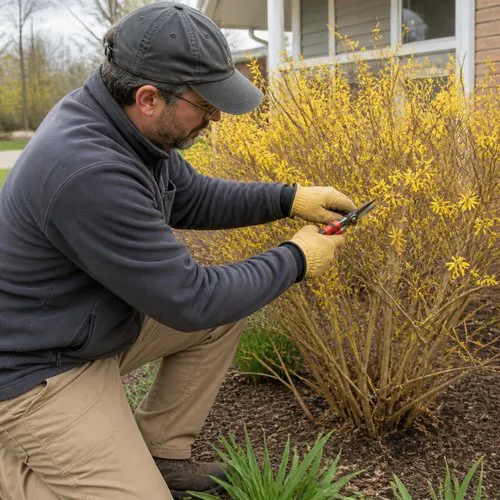
These shrubs typically bloom on old wood, meaning their flower buds developed during the previous year. Carrington Lawn & Landscape recommends pruning spring-flowering shrubs after flowering but before the next season’s flower buds develop.
For lilacs and forsythia, we recommend completing renewal pruning soon after bloom, often within about two weeks.
That makes timing especially important. A healthy shrub pruned in February may grow just fine, but you could sacrifice much of its spring flower display.
When to Prune Summer-Flowering Shrubs
Late winter or early spring before new growth begins is often the right time for shrubs that bloom later in the season.
Examples can include:
- Japanese spirea
- Smooth hydrangea
- Panicle hydrangea
- Potentilla
- Rose-of-Sharon
Many summer-flowering shrubs bloom on new wood, or growth produced during the current season. Pruning before spring growth begins gives the plant time to produce new stems and flower buds during the growing season.
Hydrangeas deserve extra attention because different types bloom on different kinds of wood. Do not assume every hydrangea should be pruned the same way. Identify the type before making a major cut.
Should You Prune Shrubs in Summer?
Light pruning can be appropriate during summer, especially when you need to control excessive growth or maintain an established shape.
Carrington Lawn & Landscape includes ornamental shrub pruning within our landscape maintenance services, with pruning approaches tailored to the plants and property. Mid-summer pruning may be used to manage growth and appearance rather than to perform major rejuvenation.
Summer is also a good time to watch for:
- Broken branches
- Crossing or rubbing stems
- Diseased growth
- Branches blocking a walkway or other feature
Avoid automatically shearing every shrub into a tight shape. UW-Madison notes that shearing can reduce flowers and foliage inside many shrubs and take away from their natural form. Selective hand pruning is often a better choice.
Is Fall a Good Time to Prune Shrubs in Wisconsin?
Fall is not the best time for major pruning of most shrubs.
A hard cut can stimulate new growth, and tender shoots may not have enough time to harden before Wisconsin temperatures drop. For significant renewal or rejuvenation pruning, waiting until dormancy or early spring is generally safer.
Fall landscape maintenance can still include selective cleanup and plant-specific pruning when appropriate. The key is knowing what kind of shrub you have rather than treating every plant the same way.
How Wisconsin Weather Affects Pruning
Wisconsin’s short growing season and cold winters make timing more important than it may be in warmer regions.
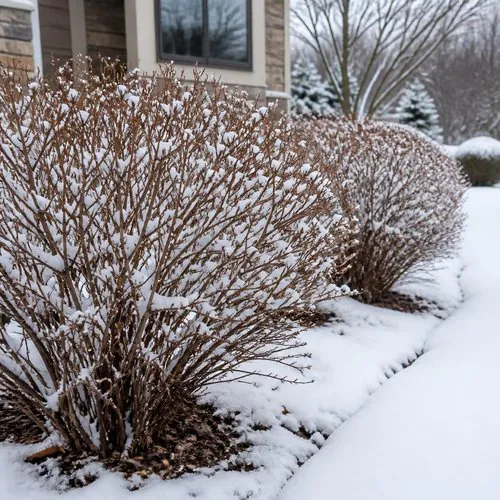
Pruning too late in the growing season can encourage growth just as plants should be preparing for dormancy. Waiting for the correct seasonal window also makes it easier for homeowners to work with a plant’s natural growth cycle instead of constantly correcting it.
New shrubs need another consideration: establishment. Newly installed plants should generally spend their first year developing roots rather than undergoing heavy pruning. Carrington Lawn & Landscape explains more in our guide to caring for newly installed trees and shrubs.
What is the Best Way to Prune an Overgrown Shrub?
For older shrubs, renewal pruning is often better than simply cutting the entire outside smaller.
A common approach is to remove some of the oldest, thickest stems at ground level. This makes room for younger growth while helping the shrub maintain a more natural form. We recommend removing up to one-third of the oldest stems each year for many overgrown, multi-stem shrubs.
Severely overgrown shrubs may sometimes respond to rejuvenation pruning, but not every species tolerates that treatment. When the plant type is uncertain, identify it before making a drastic cut.
FAQs About When to Prune Shrubs
Can I prune shrubs in winter in Wisconsin?
Yes. Late winter is an excellent pruning period for many dormant shrubs, especially those that flower on new growth. Spring-flowering shrubs are an important exception because winter pruning can remove flower buds.
For more seasonal information, read Carrington Lawn & Landscape’s guide to winter pruning trees and shrubs in Wisconsin.
Can I cut dead branches off at any time?
Dead, broken, or hazardous branches can generally be addressed when needed. If disease is suspected, proper pruning practices and clean tools become especially important.
What happens if I prune a shrub at the wrong time?
You may remove flower buds, reduce flowering, or stimulate growth at an unfavorable time. In most cases, one poorly timed pruning will not destroy an established shrub, but correct timing helps you get better long-term results.
Do all shrubs need to be pruned every year?
No. Many shrubs only need pruning every few years to remove old wood and maintain shape. Over-pruning can stress a plant and reduce flowering, especially on spring bloomers.
Keep Your Shrubs Healthy Through Wisconsin’s Seasons
Good pruning is not just about making plants smaller. It is about understanding how each shrub grows and making the right cuts at the right point in Wisconsin’s seasonal cycle.
At Carrington Lawn & Landscape, we’ve served Madison and surrounding Dane County communities since 1998. Learn about our team and story or explore landscaping services available in Madison, WI.
Need help keeping ornamental shrubs and landscape beds on track? Let’s Talk about your property and seasonal maintenance needs.