
FACT: Your Yard Can Fight Climate Change
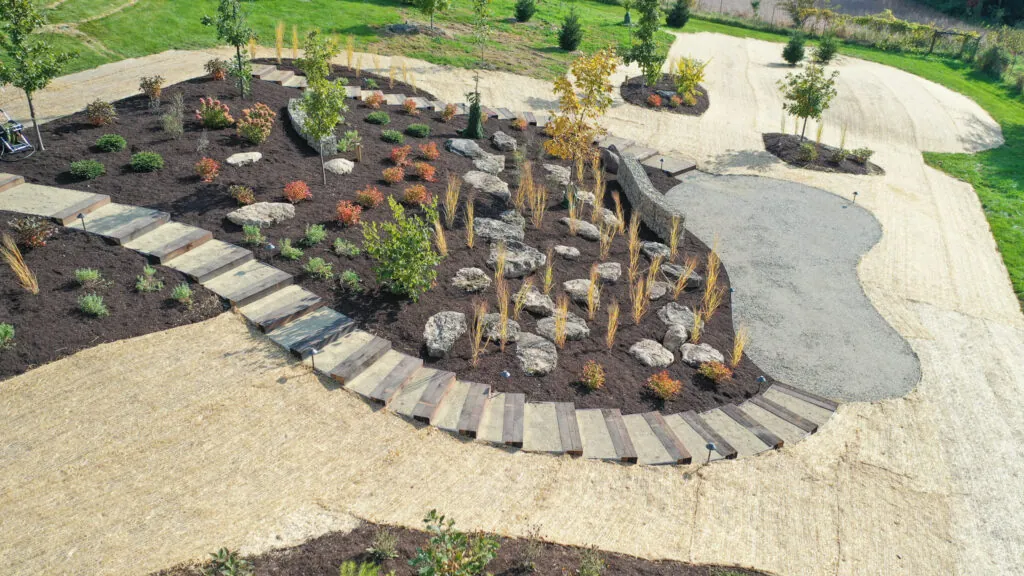
Your yard isn’t just a space to unwind—it’s part of the climate solution. At Carrington Lawn & Landscape, we believe every outdoor space has the potential to make a difference. From the trees shading your home to the grass beneath your feet, every green space plays a vital role in capturing carbon, supporting wildlife, and conserving resources.
With climate-adapted landscaping, your yard can become a small but mighty tool in the fight against climate change.
The Role of Residential Yards in Combating Climate Change
Climate change is driven by excess carbon dioxide in the atmosphere, leading to rising temperatures and unpredictable weather patterns. But your yard can help offset those effects.
Through photosynthesis, trees, grasses, and plants pull carbon from the air and store it in the soil—a process known as carbon sequestration. Even a modest backyard in Madison contributes to this global effort.
Healthy turfgrass, native trees, and diverse plantings all help reduce runoff, filter pollutants, and create habitats that sustain biodiversity. The key is designing a landscape that works with nature, not against it.
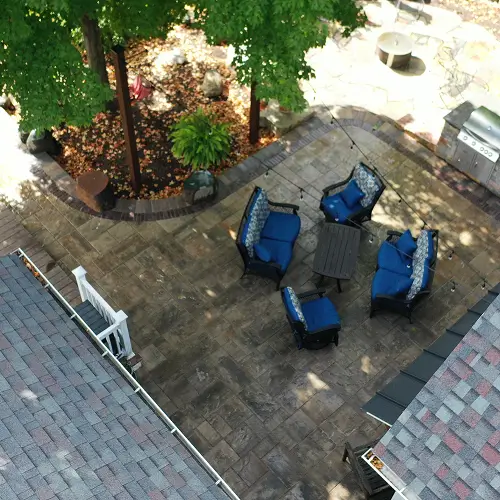
Benefits of Climate-Adapted Landscaping
1. Reduced Water Usage
By choosing drought-tolerant and native species, you’ll dramatically cut water use. Native Wisconsin plants such as purple coneflower, prairie dropseed, and black-eyed Susan thrive naturally with local rainfall—saving time, money, and precious water resources.
2. Enhanced Biodiversity
A mix of native plants attracts beneficial insects, pollinators, and birds. This biodiversity helps your yard resist pests and disease naturally—no harsh chemicals required.
3. Improved Soil Health
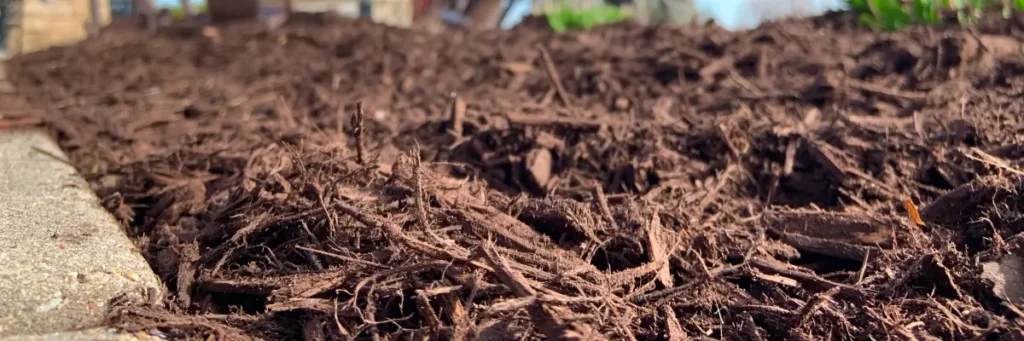
Healthy soil is a powerful carbon sink. Practices like mulching, composting, and aeration boost organic matter and microbial activity, allowing your soil to hold more carbon and support stronger plant growth.
Implementing Sustainable Practices
Transforming your yard into a climate-friendly landscape doesn’t mean sacrificing beauty or functionality. It’s about making smart, sustainable choices that benefit both your property and the planet.
Choose Native and Drought-Resistant Plants
Native plants are naturally adapted to Wisconsin’s seasonal shifts and soil types. They require less watering and maintenance while providing essential food and shelter for local wildlife.
Adopt Organic Lawn Care Techniques
Avoid synthetic fertilizers and pesticides that can harm soil health and pollinators. Instead, use organic compost and slow-release nutrients to feed your turf and garden beds safely and sustainably.
Upgrade to Efficient Irrigation Systems
Drip irrigation, rain sensors, and smart controllers ensure your yard gets exactly the water it needs—no more, no less. Pairing efficient watering with rain barrels and proper grading can help capture and reuse stormwater.
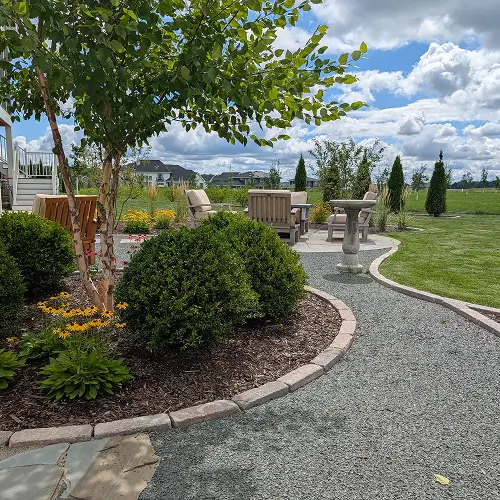
Carrington Lawn & Landscape: Your Partner in Eco-Friendly Lawn Care
Our team at Carrington Lawn & Landscape is committed to helping Wisconsin homeowners transition to sustainable lawn care that looks beautiful and benefits the environment. Our experts design climate-adapted landscapes tailored to your property’s soil, light, and water conditions.
We research the latest in turf management and organic care so you can enjoy a healthy, vibrant yard that supports long-term soil and ecosystem health. Whether you’re interested in native plant installations, professional lawn aeration, or full-service landscape maintenance, our team can help you make every square foot count in the fight against climate change.
FAQs About Climate-Adapted Landscaping
What are the best plants for climate-adapted landscaping?
In Wisconsin, hardy native species like switchgrass, little bluestem, butterfly weed, and New England aster are excellent choices. These plants tolerate drought and temperature swings while supporting pollinators.
How does sustainable landscaping impact property value?
Eco-friendly landscapes can boost curb appeal, lower utility bills through natural shade and insulation, and appeal to buyers who value low-maintenance, environmentally responsible homes.
Does turfgrass really help with carbon sequestration?
Yes—healthy turfgrass captures carbon and converts it into organic matter stored in the soil. Proper mowing, aeration, and fertilization practices maximize its carbon-absorbing potential.
Ready to Transform Your Yard?
Small changes add up to a big impact. With Carrington Lawn & Landscape, you can enjoy a beautiful, resilient yard that helps protect the planet—right from your doorstep.
Contact us today to learn how climate-adapted landscaping can make your yard part of the climate solution.